Who is Ras Mic, and why we mined him
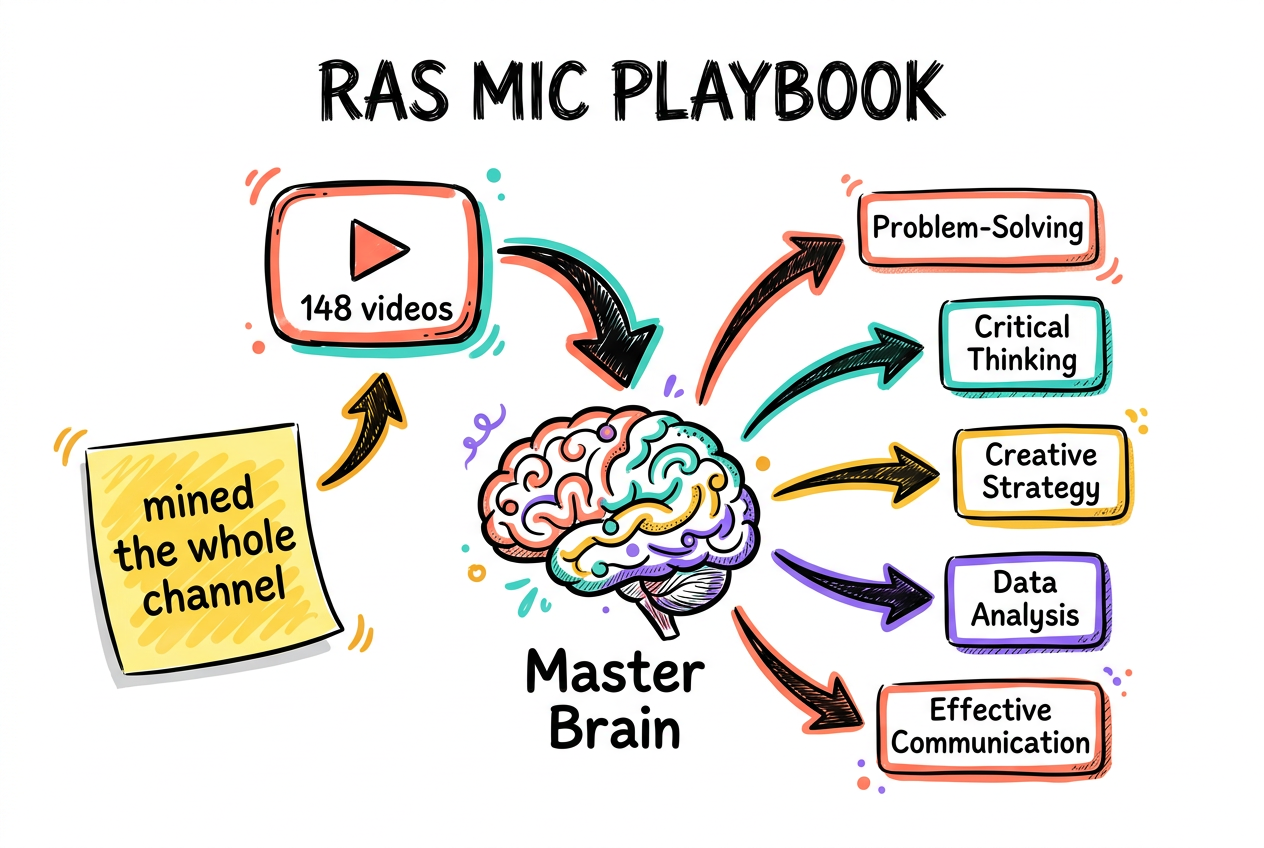
Ras Mic (Michael Shimeles, @rasmic) is a full-stack engineer with $2M+ processed in production apps who teaches Claude Code, Codex, Cursor and agentic engineering on YouTube. We pulled all 148 of his videos, ingested them into Master Brain, and turned the signal into skills the fleet can run. This is the whole playbook on one scroll.
- 148 of 149 transcripts pulled, ingested, synthesized.
- 8 parallel agents mined the corpus into 7 clusters.
- 5 skills + 1 fleet rule shipped from what we found.
Conversational plan, small PR, review loop
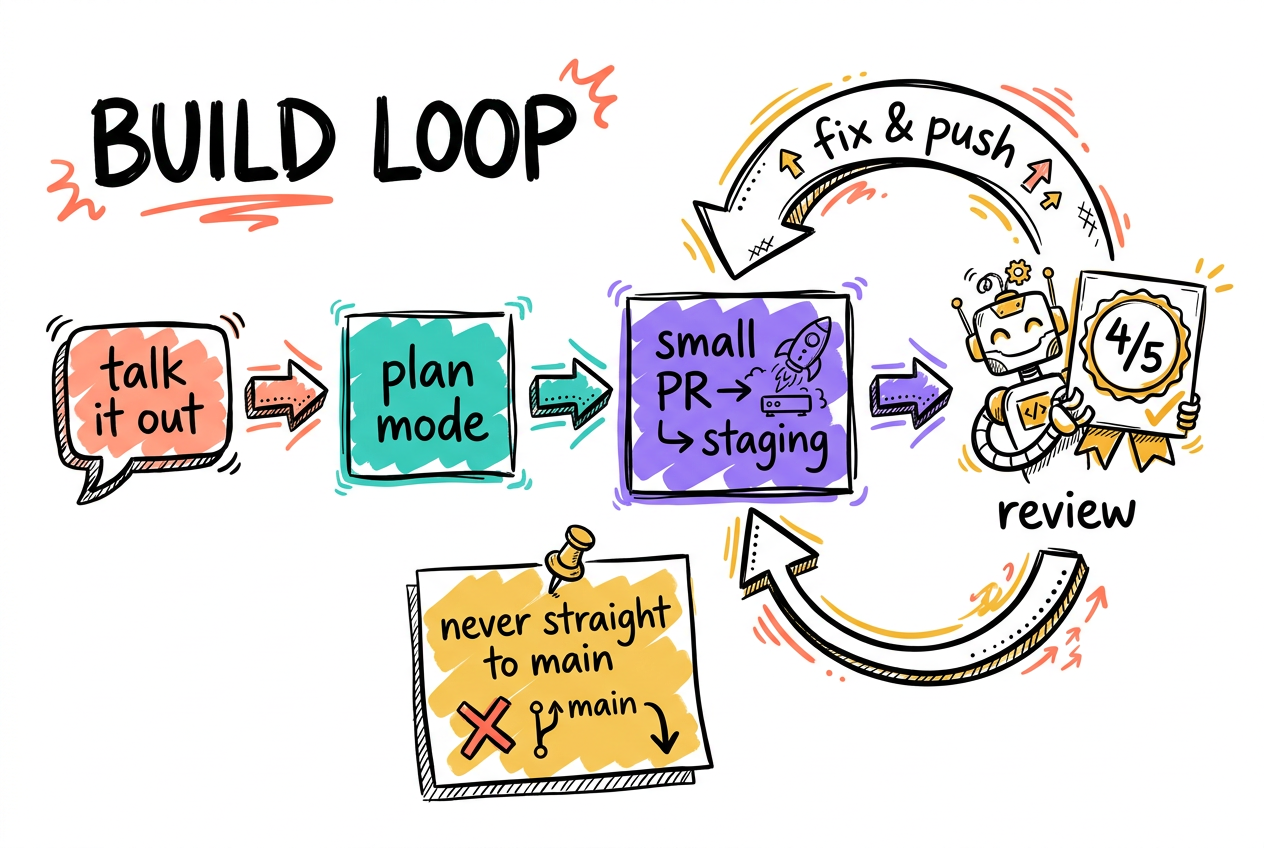
His whole workflow for a REAL product: talk it out first (not plan mode), make the model brainstorm trade-offs until it gets what's in your head, THEN flip plan mode and save the plan to a file. Build, test it yourself, push a SMALL PR (under 1000 lines) into a staging branch, and let an AI reviewer score it. Loop fix-and-push until 4-5 out of 5. Never straight to main.
- Plan by conversation; plan mode comes LAST.
- PRs under 1000 lines, into staging, never main.
- grep-loop: review -> fix -> push -> repeat to 5/5.
- Stuck at 4/5 in a cycle? Stop, review, merge by hand.
I want to build [FEATURE]. Do NOT write code or a PRD yet.
Let's just talk through it: the goal, the trade-offs, the edge cases.
Ask me one question at a time until you understand exactly what I want. If you try to jump to building, I'll stop you./grep-loop <PR#>Skills, MCP, agents.md discipline
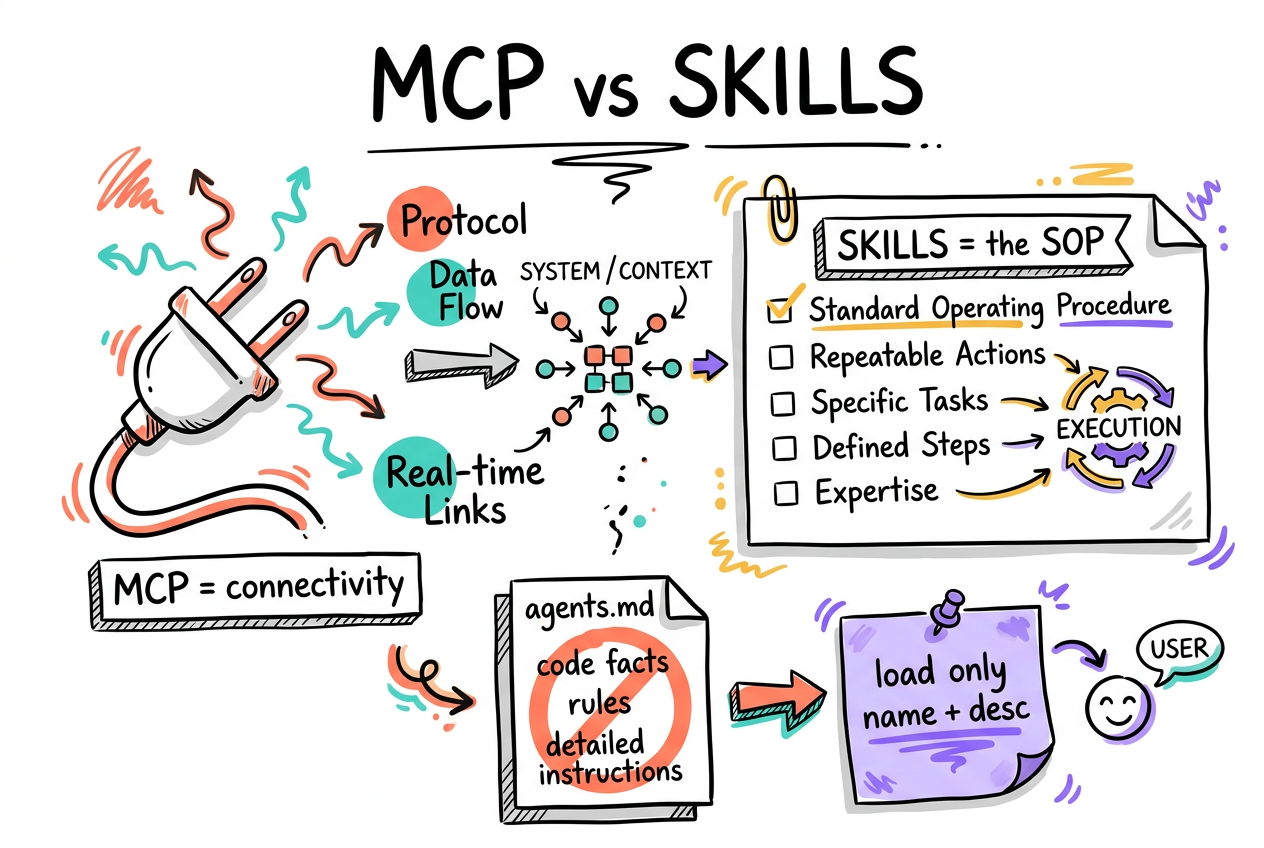
MCP is connectivity (tools + data). Skills are the SOP that tells the agent HOW to use them, and only a skill's name + description load until it's invoked (progressive disclosure). agents.md is injected every turn, so put ONLY always-true workflow in it and NEVER codebase facts, the agent can grep the code. The hidden tool he found: NotebookEdit.
- MCP = connectivity. Skills = the SOP / sequencing.
- Progressive disclosure: name+desc until invoked.
- agents.md = always-true workflow only, no code facts.
- Test the feature yourself BEFORE the review agent.
Which model, when
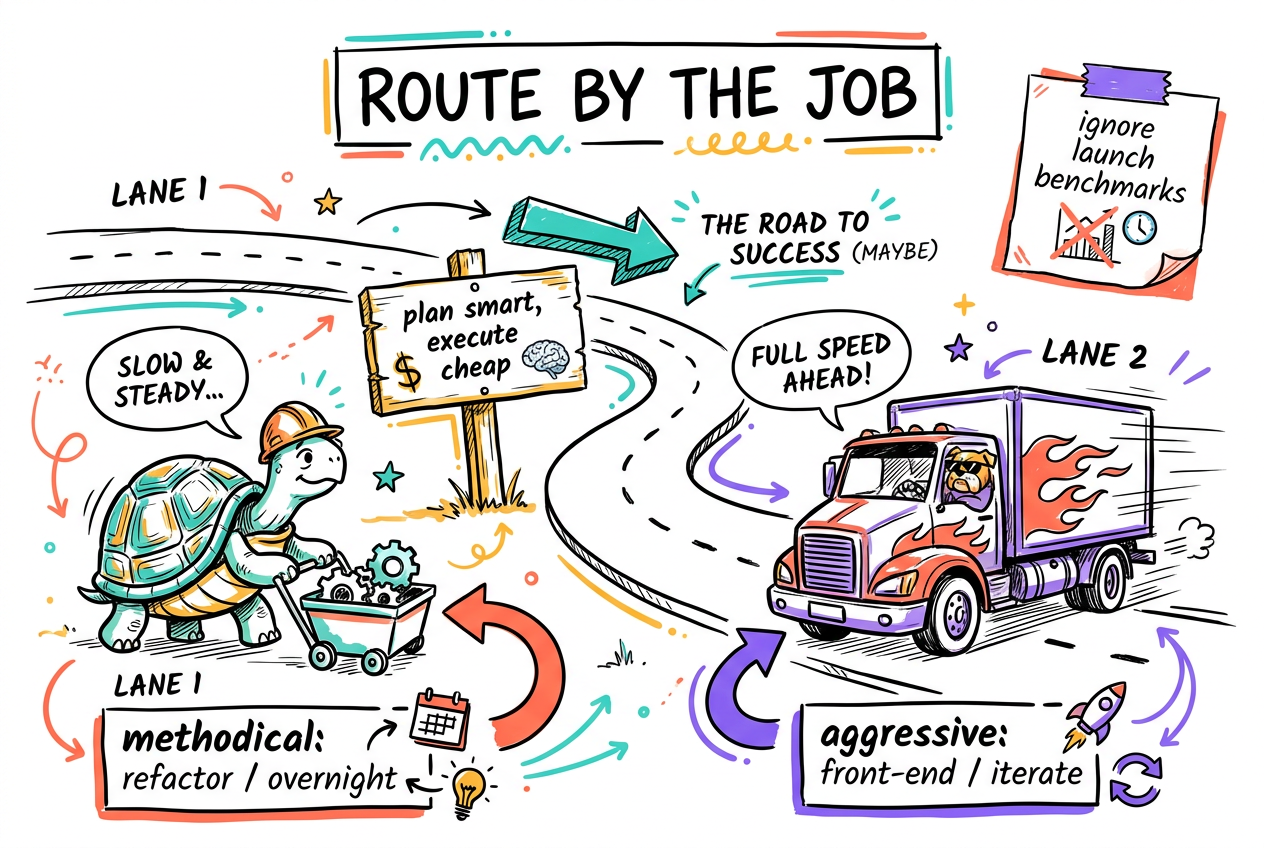
Stop picking a model tribally. Route by the job. Codex-class is methodical, asks questions, great for big refactors and overnight runs. Opus-class is fast and aggressive, great for iterative front-end. Match the model to the STACK too (his take: Claude wins Convex + UI). Plan on the smart model, execute on the cheap one. Distrust launch benchmarks, providers throttle after the hype.
- Methodical / refactor / overnight -> Codex-class.
- Aggressive / iterative / front-end -> Opus-class.
- Plan on the smart model, execute on the cheap one.
- Vibe-check a real PR; don't trust the leaderboard.
The principles that stuck
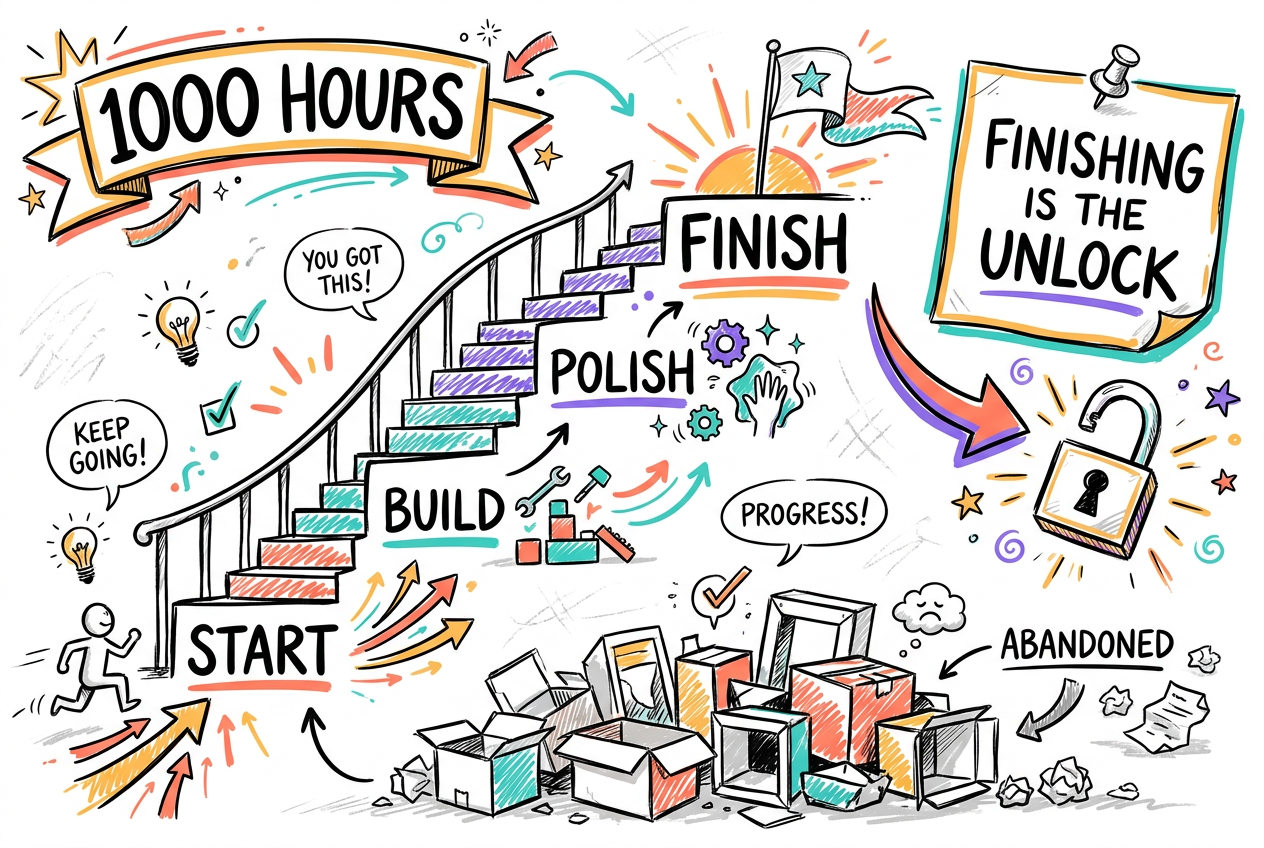
The real unlock is FINISHING, not starting, polished projects beat seven abandoned ones. Your code IS the context; the model doesn't need a framework in its training data if it can read the codebase. Always make the PR even when local tests pass, that discipline catches the bugs. And domain expertise multiplies AI: the same prompt in an experienced hand comes out better.
- Finish and polish ONE thing. Slop scales into a crash.
- Your code is context. Scaffold + skills beats memory.
- Follow the workflow even when tests pass green.
- 2 people + AI can outwork 15 without it.
Four lanes + the recursive skill loop
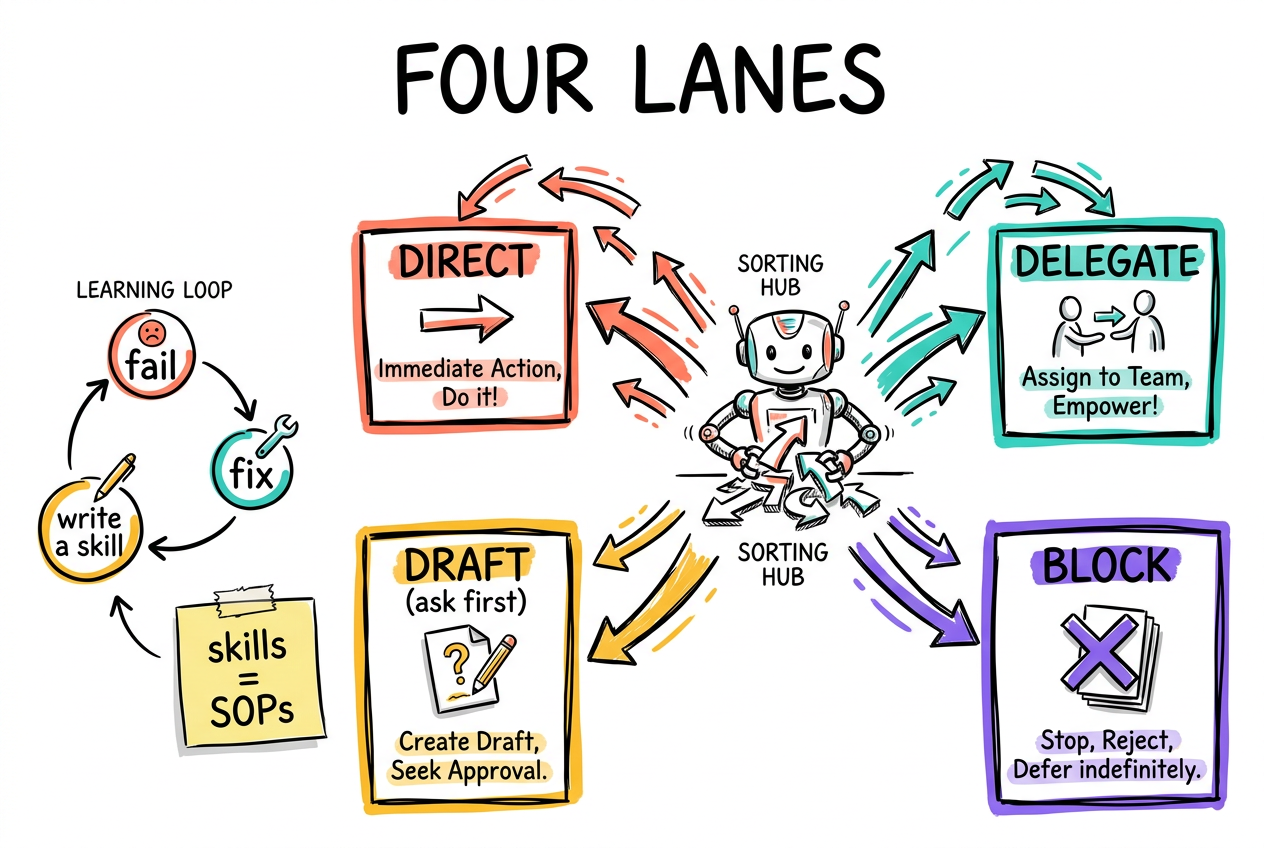
His agent dispatcher sorts every request into four lanes: handle it directly, delegate to a sub-agent, DRAFT for human approval (emails, payments), or block. And the way agents get smarter: give it an exact prompt, debug WITH it until it succeeds once, then have it write the successful steps up as a skill. Skills equal SOPs. OpenClaw isn't magic, it's a cron-driven system.
- Lanes: Direct / Delegate / Draft / Block.
- Draft gate on anything with real-world consequences.
- Fail -> debug -> succeed once -> write it as a skill.
- OpenClaw = cron + markdown config, not magic.
The tools that make the agent powerful
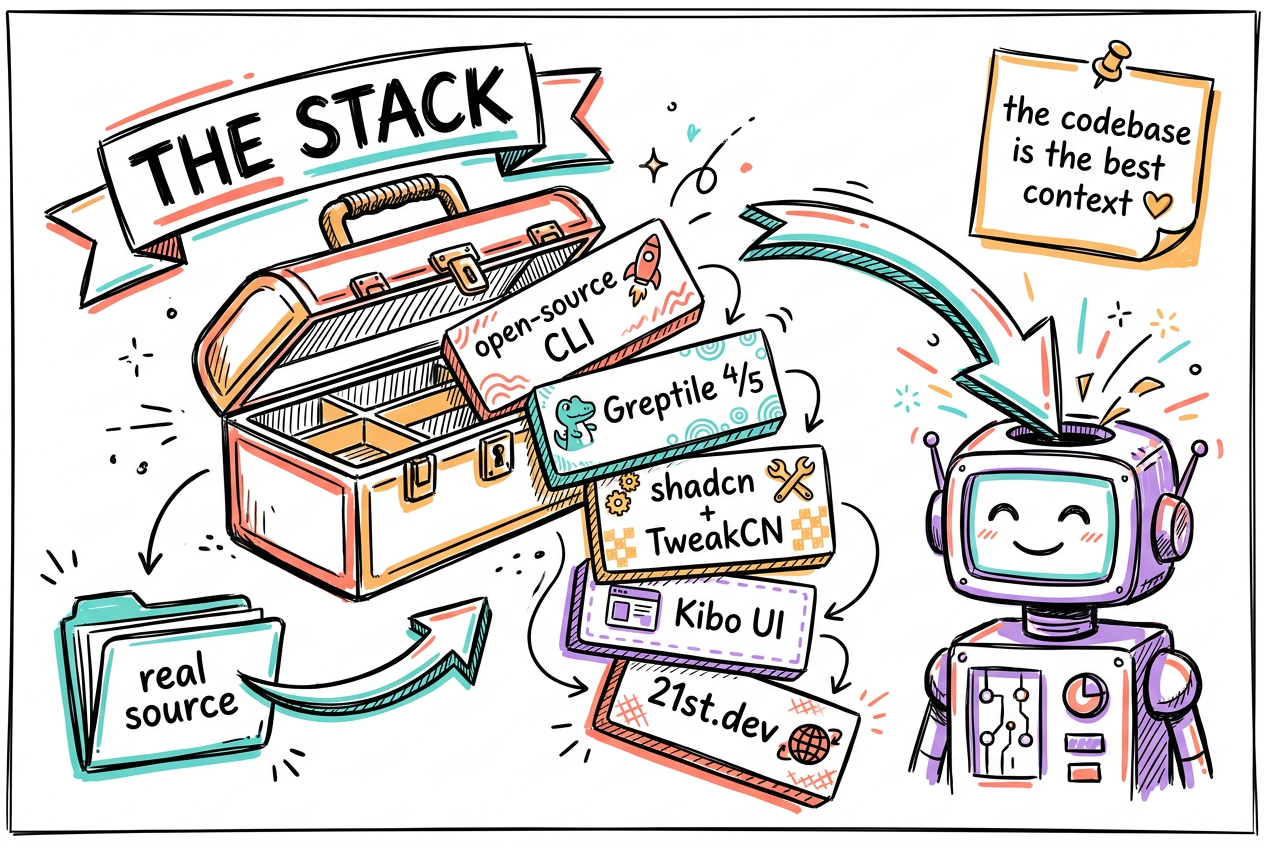
His highest-ROI tip: the open-source CLI pulls a library's REAL source into your repo so the agent reads true APIs instead of hallucinating. Greptile gates every PR on a 4-5/5 score. shadcn create + TweakCN rewrite component code so your app doesn't look like default ShadCN. Kibo UI and 21st.dev fill the gaps. The UI IS the product.
- open-source CLI: real source as agent context.
- Greptile: AI PR review, merge only at 4-5/5.
- shadcn create + TweakCN: kill the ShadCN sameness.
- Kibo UI + 21st.dev: composition + the library of libraries.
npx open-source install <github-url-or-package>Look under the open-source/ folder, check out [framework], and show me how [feature] actually works before you build.What Mike adopted from all this
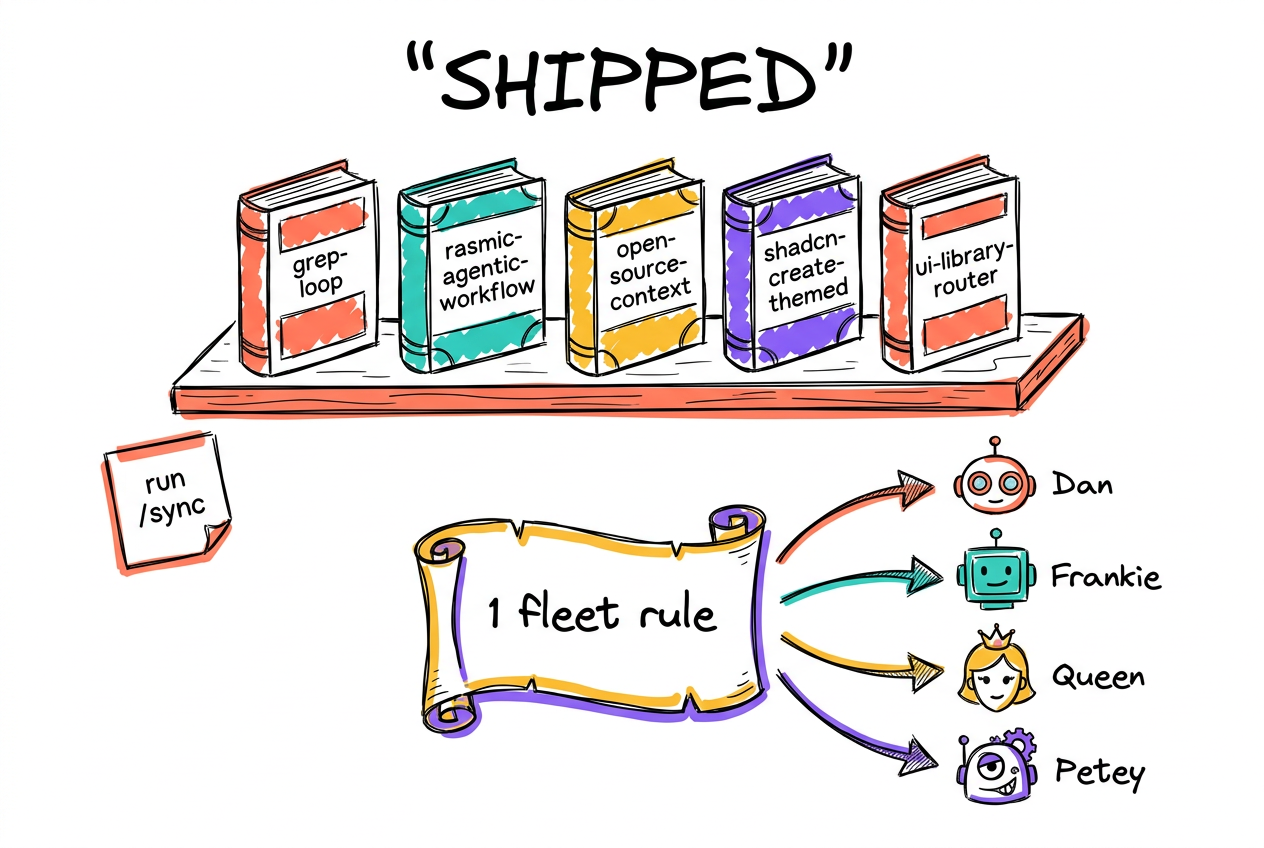
Five skills now live in the fleet, plus one rule every agent inherits. grep-loop and rasmic-agentic-workflow encode his build method. open-source-context, shadcn-create-themed and ui-library-router encode his tooling. The fleet rule updates the coders, Frankie, Queen/Carlos, Petey and matteo-jr. Run /sync to push it everywhere.
- Skills: grep-loop, rasmic-agentic-workflow, open-source-context.
- Skills: shadcn-create-themed, ui-library-router.
- 1 fleet rule -> Dan/Cody/Merlin, Frankie, Queen, Petey.
- 148 transcripts in Master Brain (scope transcript:rasmic).